
-
Cast iron stove with oven, wood burning stove, fireplace, cooker stove
Regular price $2,750.00 USDRegular priceUnit price per$3,500.00 USDSale price $2,750.00 USDSale -
Cast Iron Stove with Side Lid & Glass Oven Door
Regular price $2,850.00 USDRegular priceUnit price per$3,750.00 USDSale price $2,850.00 USDSale -
Cast Iron Stove with Side Lid and Oven, Without Side Glass
Regular price $2,800.00 USDRegular priceUnit price per$3,850.00 USDSale price $2,800.00 USDSale -
Cast Iron Stove Without Oven: Pure Heating Power
Regular price $2,500.00 USDRegular priceUnit price per$3,500.00 USDSale price $2,500.00 USDSale -
Cast Iron Stove Midi: Medium Sized Wood Burner
Regular price $995.00 USDRegular priceUnit price per$1,250.00 USDSale price $995.00 USDSale -
Cast iron wood stove for tiny house, caravans and small places
Regular price $895.00 USDRegular priceUnit price per$1,350.00 USDSale price $895.00 USDSale -


Cast Iron Stove, Burning Fireplace Wood Stove Cooker Stove Farmhouse Stove With Oven 132 Lb-60 kg
Regular price $1,350.00 USDRegular priceUnit price per$1,500.00 USDSale price $1,350.00 USDSale -
Burning Fireplace Wood Stove, Cast Iron Cooker Stove Farmhouse Stove With Oven 132 Lb-60 kg
Regular price From $1,450.00 USDRegular priceUnit price per$1,500.00 USDSale price From $1,450.00 USDSale -
Luxury Decorative Cast Iron Stove
Regular price $1,895.00 USDRegular priceUnit price per$2,500.00 USDSale price $1,895.00 USDSale -
LUXURY PREMIUM Cast Iron Stove
Regular price $2,850.00 USDRegular priceUnit price per$3,500.00 USDSale price $2,850.00 USDSale -
Black Enameled Cast Iron Wood Stove with Oven Unit
Regular price From $1,550.00 USDRegular priceUnit price per$1,400.00 USDSale price From $1,550.00 USD

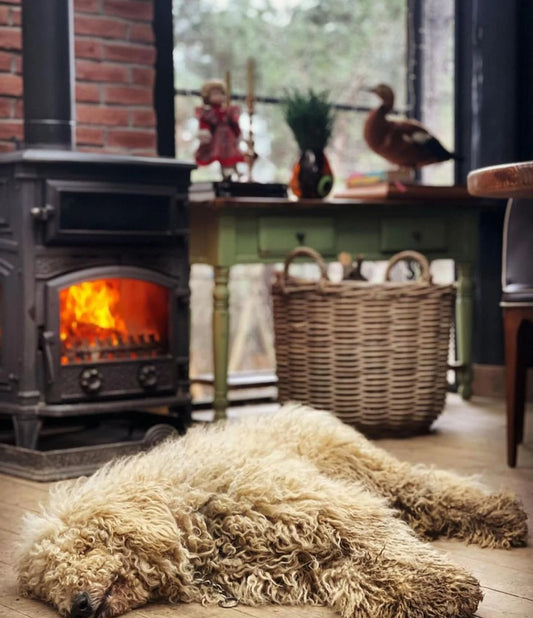

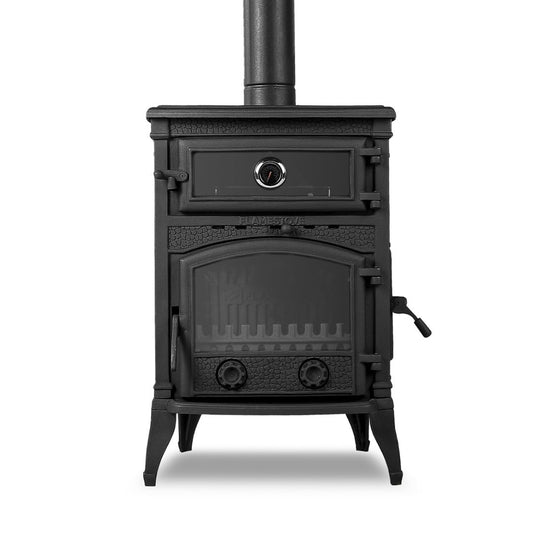

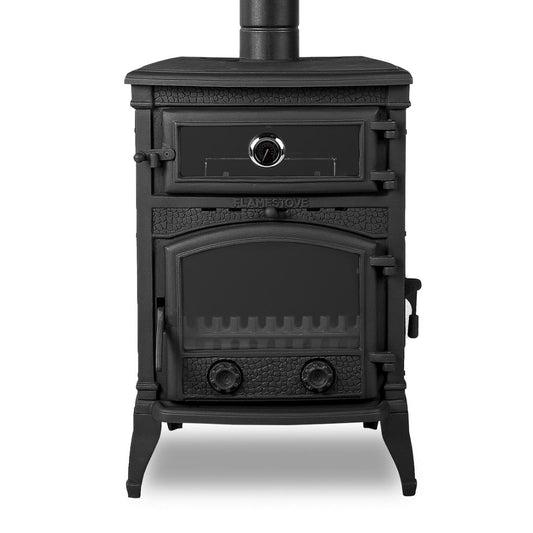

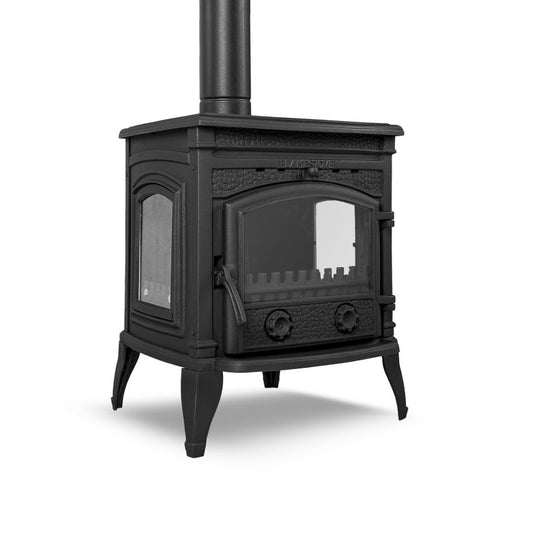

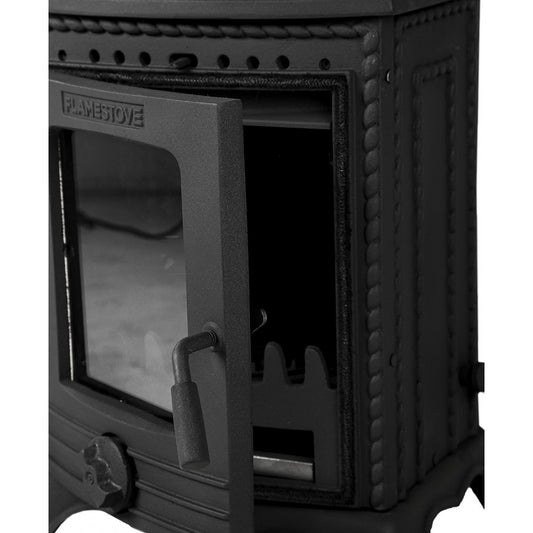


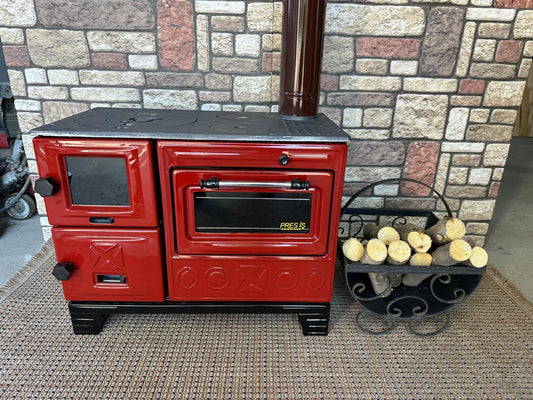

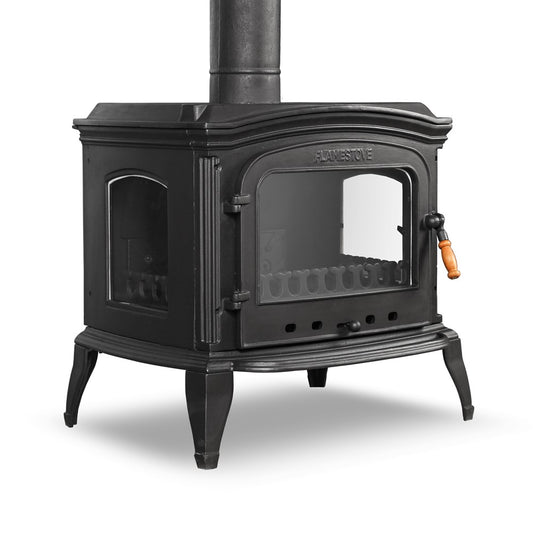

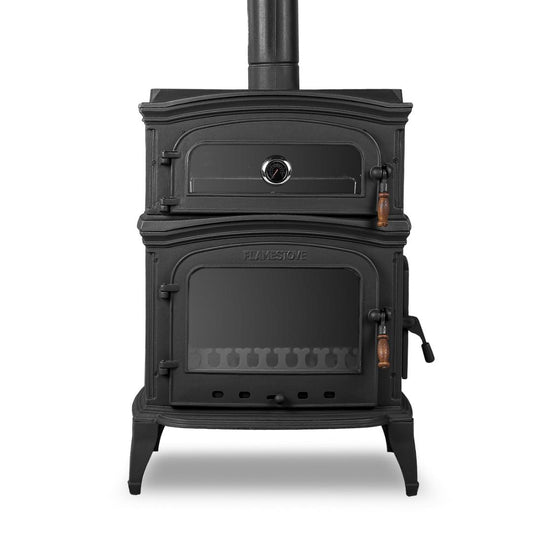

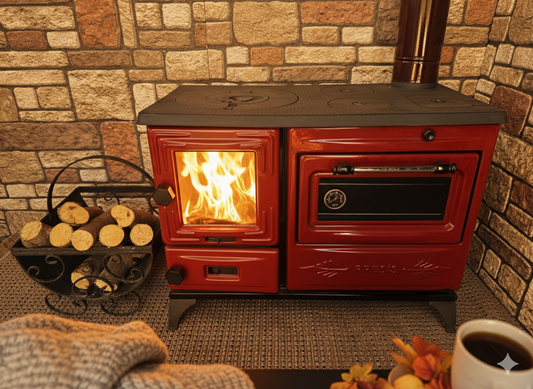
Cast Iron Stoves
What Our Customers Say

"This cast iron wood burning stove is exceptional. The heat retention is incredible and it looks beautiful in my home."

"Best cast iron wood stove I've ever owned. The quality and craftsmanship are outstanding."

"Perfect vintage cast iron wood stove. Reminds me of my grandparents' old cast iron stove but with modern efficiency."

"These cast iron stoves are worth every penny. The stove iron cast construction is solid and built to last."
"Found the perfect antique cast iron stove style. The vintage cast iron wood burning stove design is exactly what I wanted."
"Excellent cast iron stoves wood burning quality. Heats my entire cabin efficiently."
"This old cast iron wood stove style is beautiful. Love the antique cast iron wood burning stove look."
"Superior cast iron wood stoves. The vintage cast iron wood stove design and performance are unmatched."
Why is a cast iron stove better than a steel stove?
Cast iron is denser than steel, meaning it holds heat much longer. While steel stoves cool down quickly after the fire dies, a cast iron stove continues to radiate warmth for hours, providing a more consistent and comfortable temperature throughout the night.
Are cast iron stoves difficult to maintain?
Not at all. Maintenance is simple: keep the stove dry and clean out the ashes regularly. If you buy a raw cast iron model, an occasional application of stove polish keeps it looking new. Enamel models are even easier—just wipe them down with a damp cloth.
Will a cast iron stove rust over time?
Cast iron is extremely durable, but it can rust if exposed to moisture for long periods. However, in a normal home environment, this is rarely an issue. If minor surface rust appears, it can be easily removed with wire wool and restored with stove polish.
Can I cook on top of these heating stoves?
Yes! One of the biggest advantages of cast iron is its even heat distribution. The flat top surface of our stoves acts as a hotplate, perfect for boiling a kettle, simmering soups, or keeping meals warm during power outages.
How long will a cast iron stove last?
A high-quality cast iron stove is a lifetime investment. Because the parts are cast in molds, they are incredibly thick and resistant to warping. With proper care, these stoves are often passed down through generations.
Do these stoves require a specific type of wood?
You should always burn dry, seasoned hardwoods (like oak or maple) with a moisture content below 20%. Burning wet or green wood creates creosote buildup and reduces the efficiency of the stove.
Are they safe to ship since they are so heavy?
Absolutely. We specialize in shipping heavy items. Your stove will be securely crated and palletized to ensure it arrives at your doorstep in perfect condition, ready for installation.
Can I install a cast iron stove myself?
While you can place the stove yourself, we strongly recommend hiring a certified professional for the chimney and flue installation. Proper venting is crucial for safety, draft efficiency, and compliance with local building codes.
Do these stoves come with a warranty?
Yes, all our cast iron stoves come with a manufacturer's warranty covering the casting integrity. We stand by the durability and craftsmanship of every unit we sell at BlackSeaMetalWorks.
What size stove do I need for my space?
For small cabins or rooms (up to 1,000 sq. ft.), a compact stove with a 1.5 cubic foot firebox is sufficient. For larger homes or open-plan spaces, look for our larger models with higher BTU outputs to ensure heat reaches every corner.
Does the exterior get very hot?
Yes, the entire body of a cast iron stove acts as a radiator. This is great for heating, but you should use a safety gate if you have small children or pets. Always maintain proper clearance from combustible materials.
Are cast iron stoves energy efficient?
Very efficient. Our modern cast iron stoves are designed with airtight fireboxes and secondary combustion systems. This means they burn wood more completely, extracting more heat from every log and producing less smoke.
Cast Iron Wood Stoves for Sale: Built to Heat, Built to Last
Cast iron wood burning stoves are designed for durability and efficient heating which makes them an excellent investment for lasting warmth. Cast iron wood stove models retain heat exceptionally well, radiating warmth long after the fire has died down, which provides consistent comfort. These cast iron stoves also withstand high temperatures and heavy use without warping or cracking and ensure many years of reliable performance.
Read More About Cast Iron Stoves
What Is a Cast Iron Wood Stove
A cast iron wood burning heater is a heating appliance built from thick and molded cast iron panels designed to burn wood efficiently while delivering long-lasting radiant heat. Unlike lightweight steel stoves, cast iron wood burner models are crafted through an iron-casting process in which molten metal is poured into detailed molds, giving the stove both its durability and its distinctive classic appearance. The density of cast iron stove allows the stove to absorb a large amount of heat during the burn cycle and release it slowly over time, keeping rooms warm for long durations.
Why Cast Iron Works Well for Wood Burning Heat
Cast iron’s dense and robust nature makes it ideal for wood-burning stoves. Moreover, stove iron cast has outstanding heat retention properties, meaning it holds onto heat and releases it slowly and creates a cozy and long-lasting warmth. Additionally, cast iron stoves wood burning species are energy-efficient because they need less wood to maintain heat by reducing fuel consumption and environmental impact.
How Cast Iron Stoves Are Made (The Iron Casting Process)
Cast iron cook stoves are created through a traditional iron casting process that transforms raw iron into durable and heat-resistant stove components. The process of making a cast iron cook stove begins by melting iron at extremely high temperatures around 1,400°C. Once liquefied, the molten metal is poured into precision-engineered sand or metal molds that define the cast iron fireplace stove shape and thickness. This molding stage allows for intricate textures, patterns, and decorative details that are characteristic of many wood burning cast iron stove models.
After cooling and solidifying, the cast pieces are removed from the molds and undergo surface finishing. This includes grinding, smoothing, and cleaning to remove excess material and create uniform surfaces. The cast iron wood burning fireplace components are then assembled using bolts, gaskets, and airtight seals to form the combustion chamber and exterior body.
Why Cast Iron Is Used for Wood Burning Stoves
Cast iron stands out as the preferred material for cast iron wood fire stove models due to its unmatched durability and ability to handle extreme temperatures without warping or cracking. This robust alloy absorbs heat slowly but holds it steadily and ensures even distribution throughout your home long after the flames subside. Manufacturers also favor cast iron stove wood for its energy efficiency, as it burns wood more completely at higher internal temperatures and reduces fuel needs while providing a reliable, eco-friendly heating option that lasts generations.
Heat Retention and Thermal Mass Benefits of Cast Iron
The thermal mass of a cast iron stove with oven allows it to store vast amounts of heat from the fire and release it gradually over hours which keeps rooms cozy without constant reloading. This slow-release property outperforms steel stoves, which heat up faster but cool down quickly and makes cast iron stove wood burning models ideal for overnight warmth and consistent comfort during cold seasons. Homeowners also benefit from lower wood consumption and fewer drafts, as the dense material of small cast iron wood burner minimizes heat loss and enhances overall combustion efficiency.
Enamel Coated vs Raw Cast Iron Stove Surfaces
In terms of differences, enamel coated cast iron stoves feature a glossy and colorful porcelain finish that resists rust, simplifies cleaning, and adds a decorative flair to modern or traditional interiors. In contrast, raw cast iron cook stoves wood burning surfaces develop a natural patina over time by offering a rustic charm but requiring seasoning and more frequent maintenance to prevent corrosion from moisture or ash buildup. In other words, while enamel provides easier upkeep and vibrant aesthetics, cast iron wood stove fireplace appeals to those seeking an authentic, timeless look with superior heat radiation.
Cast Iron Wood Stoves for Everyday Home Heating
Cast iron wood burning stove fireplace excels in everyday home heating by delivering powerful, radiant warmth that can effectively heat entire living spaces even during power outages or harsh winters. Low maintenance design and high efficiency of best cast iron wood burning stove mean less wood usage and reduced energy bills compared to electric or gas systems, while the timeless craftsmanship blends seamlessly with any decor.
Cast Iron Cook Stoves for Heating and Cooking
Indoor cast iron wood stove models serve as multifunctional appliances by efficiently combining heating and cooking capabilities. Robust construction of wood stove cast iron allows them to absorb and radiate heat evenly and warms living spaces while providing a stable cooking surface. With heavy cast iron plates and ovens, these best cast iron wood stove models also maintain consistent temperatures for slow cooking, baking, and simmering. A cast iron stove fireplace also often operates without electricity, making it ideal for off-grid or eco-conscious homes where it can meet all heating and culinary needs.
Cast Iron Wood Fireplace Stove for Traditional Interiors
Cast iron wood oven models bring timeless charm to traditional interior designs and offer both aesthetic appeal and practical heating. Classic silhouettes and rich textures of cast iron wood burner stove especially complement rustic, country, or vintage decors while effectively heating rooms.
Cast Iron Wood Burning Fireplace vs Free-Standing Cast Iron Stove
The main difference between a small cast iron wood stove and a free-standing cast iron stove lies in installation and heat distribution. Fireplaces are typically built-in and designed to blend seamlessly with existing masonry, often offering a wider open flame view but less heat retention.
In contrast, free-standing cast iron wood stoves are standalone units that store and emit heat more efficiently due to their thick iron construction which makes them versatile for various room sizes and layouts while providing longer-lasting warmth.
Cast Iron Cook Stove for Wood-Fired Cooking and Heating
The cast iron wood burning stove with oven excels at wood-fired cooking and heating by utilizing its dense material to hold and release heat steadily for multiple functions. Many of these stoves feature multiple burners, ovens, and warming areas designed for precise temperature control which allows users to prepare complex meals while simultaneously heating their homes.
Choosing the Best Cast Iron Wood Burning Stove for Your Living Space
Selecting the ideal cast iron wood heater involves assessing your living space's size, heating needs, and aesthetic preferences to ensure optimal performance and comfort. For example smaller rooms benefit from compact cast iron small wood stove models with 1.5 to 2.5 cubic foot fireboxes that heat up to 1,000 square feet efficiently, while larger areas require bigger units with higher BTU outputs for even warmth distribution. You should also consider factors like stove weight for floor support, style compatibility with your decor, and EPA certification for clean burning to maximize efficiency and minimize emissions in any home setting.
Installation and Venting Requirements for Cast Iron Wood Stoves
Proper installation of cast iron wood stoves requires a certified professional to handle venting through a class A chimney or direct vent system that meets local building codes for safety and performance. These heavy stoves also need a non-combustible hearth pad at least 36 inches wide and deep, plus heat shields on nearby walls to prevent fire hazards during operation. Furthermore, adequate clearance from furniture and proper airflow ensure safe and efficient burning with minimal smoke backdraft.
Maintenance, Seasoning, Rust Prevention, and Long-Term Care
Proper maintenance is essential for keeping a cast iron wood stove efficient, safe, and visually appealing throughout its long lifespan. The most important step is keeping the stove clean and dry to prevent corrosion. For example, ash should be removed regularly, especially after periods of heavy use as ash absorbs moisture and can accelerate rusting on raw cast iron surfaces.
While enamel-coated stoves require minimal exterior care, raw cast iron models benefit from occasional application of stove polish or high-temperature wax on the outside surfaces to protect the metal. But the interior firebox should never be oiled or seasoned, as it is designed to withstand extreme heat and naturally develops a protective layer from regular firing.
Where to Buy Reliable Cast Iron Wood Stoves for Sale
Reliable cast iron wood burning stove for sale is available from trusted retailers and online platforms like blackseametalworks.com. When purchasing cast iron wood stove for sale, customers should look for brands with proven track records in tested models to ensure quality craftsmanship and customer support for long-term satisfaction. Comparing prices, reading verified reviews, and checking for current promotions also helps you to secure the best value on durable and high-performing units.
Best Cast Iron Wood Burning Stove Recommendations by Space Type
Choosing the right cast iron wood burning stove depends largely on the size and needs of your living space. For example, for compact areas such as tiny homes, studios, or small cabins, a small cast iron stove with a firebox ranging from 1.0 to 1.5 cubic feet offers efficient heat without overwhelming the room. Lightweight yet durable models with strong radiant heat output work best in these environments and provide quick warm-up times and steady comfort through cold weather.
On the other hand, medium-sized rooms like living rooms, workshops, or a moderate cabin benefit from stoves with fireboxes between 1.6 and 2.5 cubic feet. For large homes, open floor plans, or spacious multi-room cabins, powerful large cast iron wood stove species with oversized fireboxes and high BTU ratings deliver extended warmth and reduced refueling needs.
FAQ: Common Questions About Cast Iron Stoves
What is a cast iron wood stove?
A cast iron wood stove is a heating appliance made from molten iron that has been poured into molds and shaped into thick, durable stove panels. These panels are then assembled to create a firebox designed to burn wood efficiently.
Why choose a cast iron stove over a steel stove?
Both cast iron and steel stoves heat effectively, but cast iron offers a very different heating experience. Unlike steel, which heats up and cools down quickly, cast iron warms more slowly and releases heat over a longer period thanks to its thermal mass. This makes it ideal for those wanting a gentle, consistent warmth rather than short bursts of heat.
How does a cast iron wood burner hold heat?
Cast iron holds heat due to its high density and strong thermal mass. As the fire burns, the thick iron walls absorb and store a large amount of energy. Even after the flames die down, the material continues releasing this stored heat gradually into the room. This slow-release effect makes cast iron one of the most effective materials for maintaining a stable indoor temperature.
Is a small cast iron wood stove good for tiny spaces?
Small wood stove cast iron models are excellent for compact spaces such as tiny houses, RVs, cabins, studios, and off-grid shelters.
Can a cast iron cook stove be used for everyday cooking?
A cast iron cook stove can absolutely be used for everyday cooking, especially in homes where wood heating is already part of the routine. Its thick iron plates distribute heat evenly, allowing for baking, boiling, simmering, frying, and slow cooking. Many models include ovens, warming shelves, and removable burner lids that give direct flame access for high-temperature cooking.
What should I consider when installing a cast iron wood burning stove?
When installing a cast iron wood burning stove, safety and proper venting should be your top priorities. The stove must connect to a certified chimney system to ensure clean draft and prevent smoke leakage. Adequate clearance from walls, furniture, and combustible materials is also essential, as cast iron radiates strong heat.
How do I maintain and prevent rust on a cast iron stove?
Maintaining a cast iron stove involves regular cleaning, proper storage, and protection against moisture. For example their surface rust can be prevented by keeping the exterior dry, wiping it down occasionally, and applying a thin layer of stove polish or high-temperature protective wax on raw cast iron surfaces.
Where can I find cast iron wood stoves for sale?
Cast iron wood stoves for sale are available from specialty hearth retailers, authorized dealers, and major home-heating suppliers like blackseametalworks.com.
Which cast iron wood burning stove is best for cabins?
The best cast iron wood burning stove for a cabin depends on the cabin’s size, insulation, and how quickly you need it to heat up. For example compact cabins or off-grid shelters often benefit from cast iron small wood burning stove to medium-sized stoves with efficient secondary burn systems and long burn times. For larger cabins, a stove with a bigger firebox and higher BTU rating ensures steady warmth throughout cold weather.
Is an outdoor cast iron stove suitable for cooking and heating?
Outdoor cast iron stove models are excellent for both cooking and heating in open-air environments. Cast iron withstands high temperatures and distributes heat evenly, making it ideal for grilling, boiling, simmering, or slow cooking over wood fire.